1956 – A Vision Becomes a Federation
In the early 1950s, Canada was already home to women’s organizations representing many cultural communities. Polish women, however, did not have an independent national organization of their own.
Jadwiga Dobrucka recognized that need.
A teacher, social activist and former member of the Parliament of the Second Polish Republic, Dobrucka had devoted much of her life to education and young people. During the Second World War, she helped educate Polish youth through clandestine schooling.
After arriving in Canada in 1954, she observed the challenges faced by Polish immigrant women as they established new lives while trying to preserve language, culture and identity within their families.
At the age of 64, she began building an organization that could respond to both realities.
Over two years, Dobrucka personally spoke with more than 80 women about her idea. Her vision centred on two principles: mutual support and active participation by Polish women in Polish Canadian and Canadian community life.
The response was remarkable.
On April 29, 1956, 122 women gathered in Toronto and formally established the Polish Canadian Women’s Federation (Federacja Polek w Kanadzie).
Jadwiga Dobrucka became its first President.
A national organization had begun.
1956–1960s – Building a National Organization
The Federation moved quickly from vision to action.
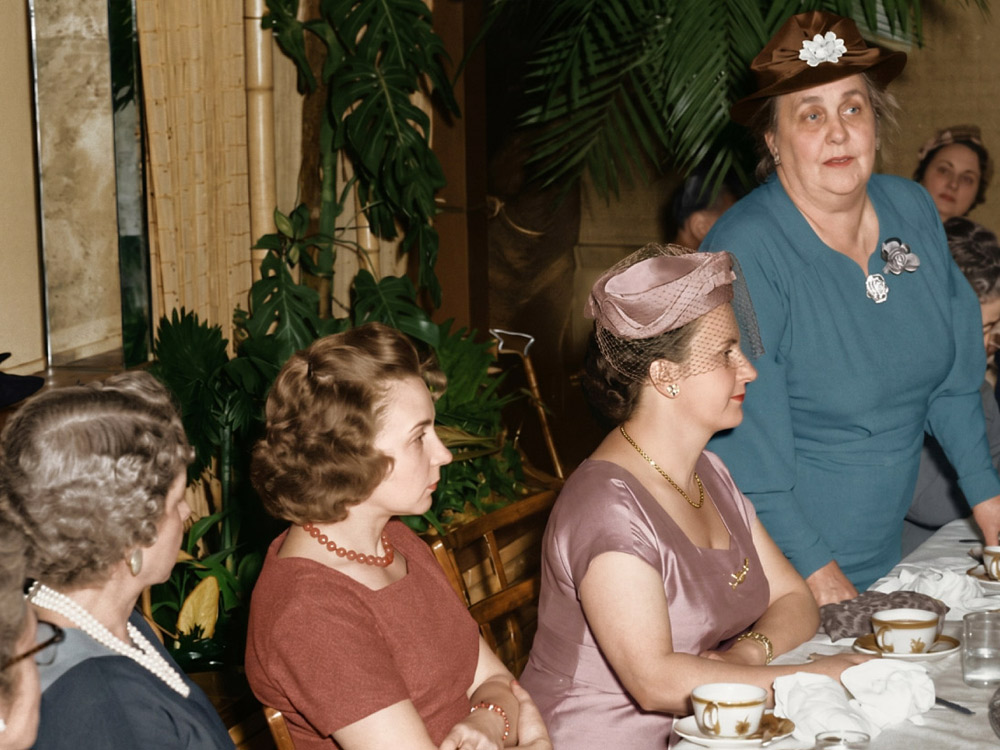
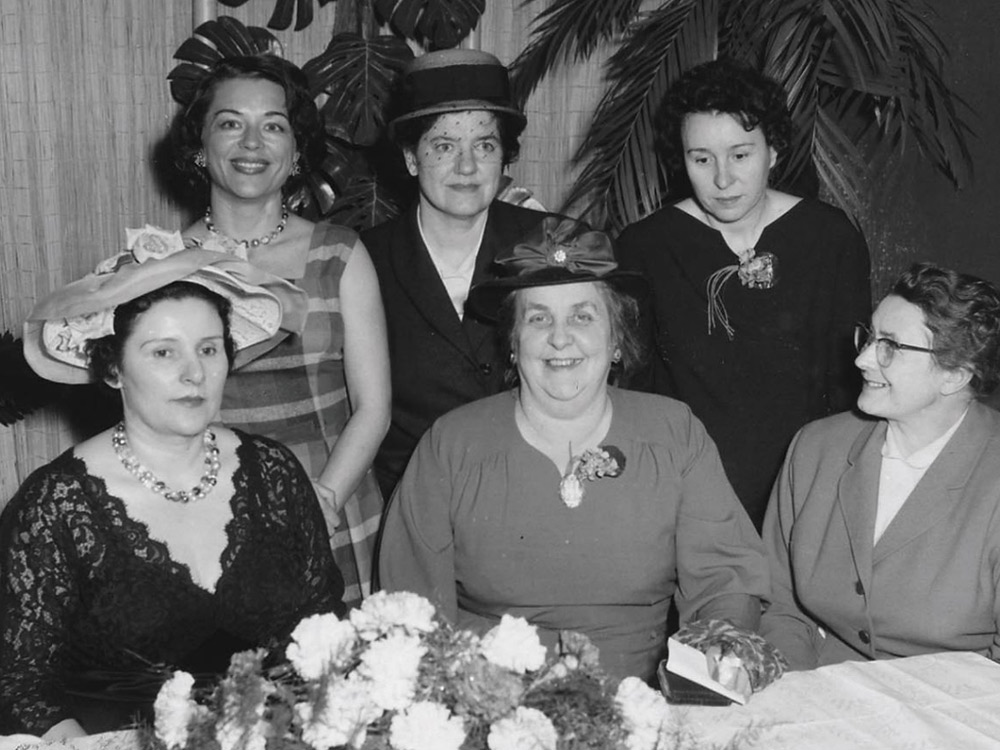
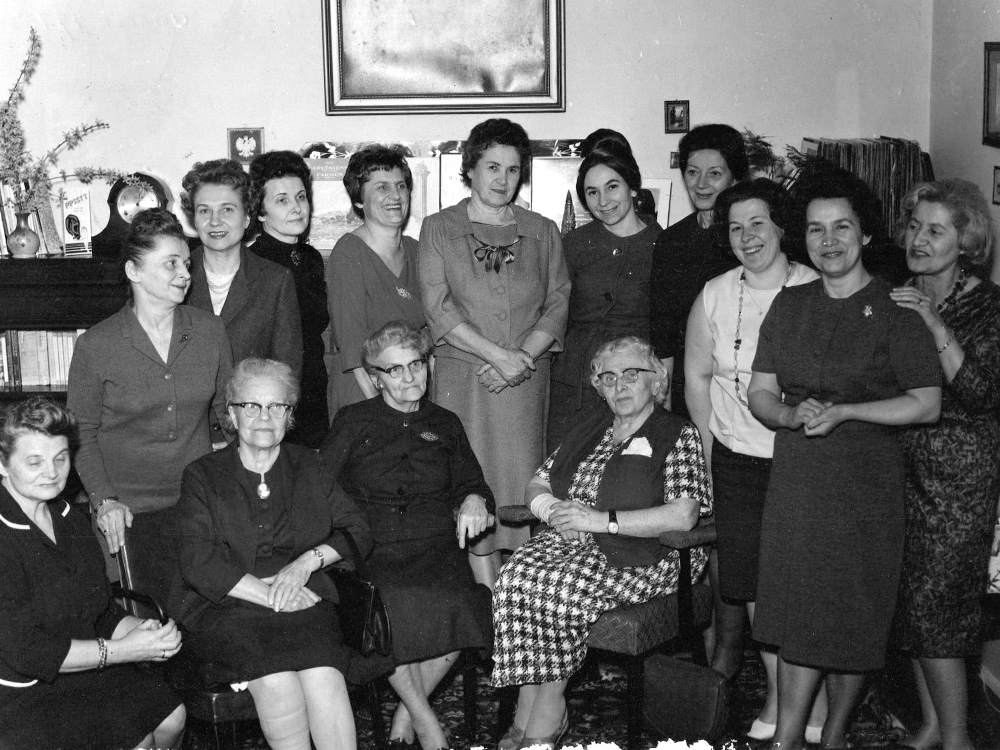
Members met regularly, established organizational structures and began responding to the practical needs of their communities. New branches soon appeared wherever Polish women saw a need to organize.
London followed in 1956, Edmonton and Vancouver in 1958, and additional branches were established across Canada in the years that followed.
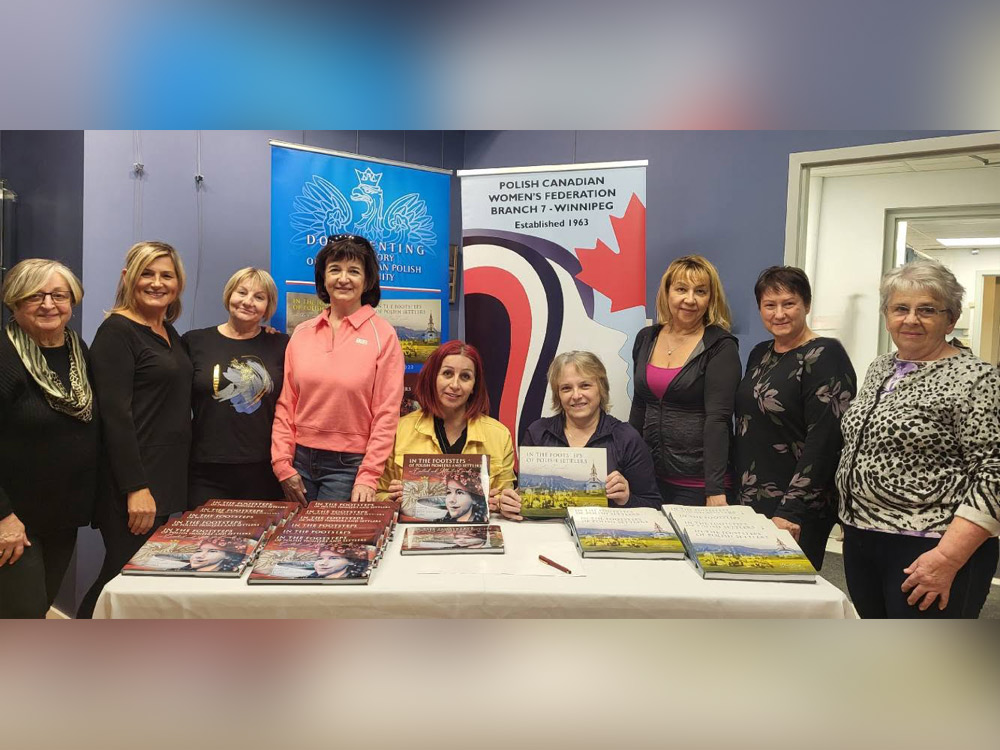
By 1973, ten new branches had been created in Polish communities including London, Edmonton, Vancouver, Sudbury, Lethbridge, Winnipeg, Ottawa, Montreal and Calgary.
From the beginning, local branches became the heart of Federation life. Each developed its own character and programs while remaining connected to a national organization and shared mission.
A Voice of Our Own
Only months after the Federation was founded, members recognized another need: a way to communicate across the growing organization.
On October 29, 1956, the Federation approved the creation of its own publication.
The first issue of Informator appeared on November 15, 1956, with Jadwiga Dobrucka as its first editor.
Produced with extraordinary volunteer effort, Informator became far more than an organizational bulletin. Over the decades, it documented Federation life, preserved the record of its branches and connected members across Canada.
It remains part of the Federation’s historical legacy today.
1960s & 1970s – Service, Growth and a Legacy for Youth
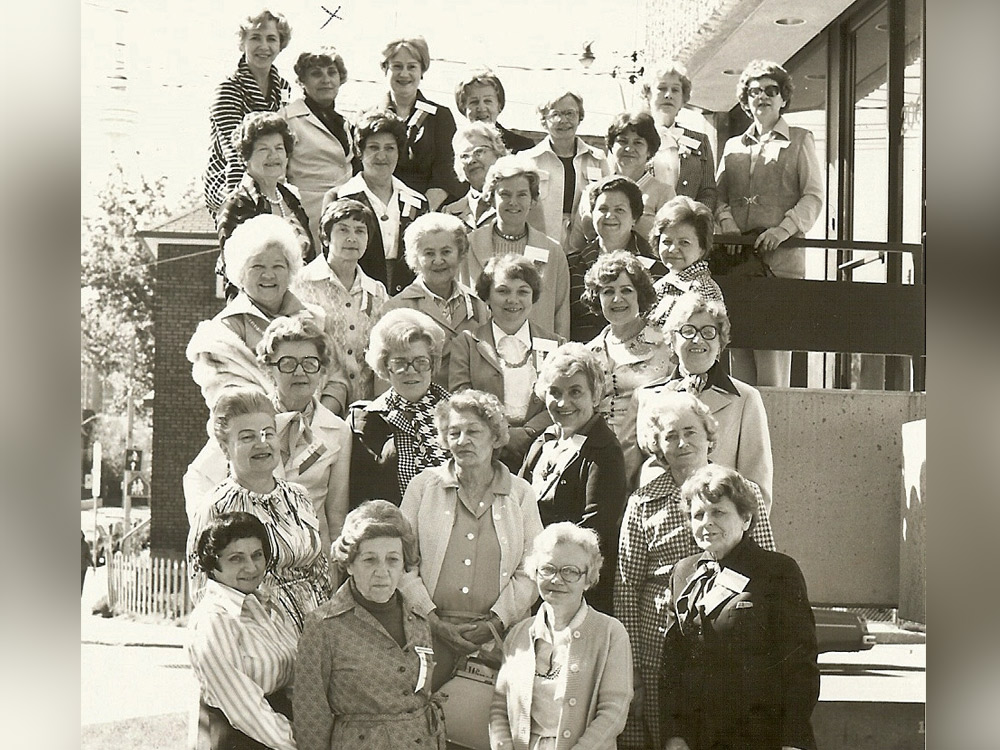
Community service was not added to the Federation’s mission later. It was present almost from the beginning.
Members assisted newcomers, visited the sick, supported people experiencing hardship and sent packages to Poland.
One early example was the work of Toronto members with Polish patients at the Queen Street psychiatric hospital. For 16 years, from 1958 to 1974, members visited regularly, bringing homemade food, Polish music and companionship — creating, even briefly, a sense of home for people separated from their language and community.
The Jadwiga Dobrucka Youth Fund
When Jadwiga Dobrucka died in 1963, her commitment to young people became part of the Federation’s permanent legacy.
In accordance with her wishes, friends contributed money to a meaningful social purpose rather than purchasing funeral flowers.
Those contributions became the foundation of the Jadwiga Dobrucka Youth Fund, formally established by the Federation in 1963 to support Polish Canadian youth, education and talent.
More than six decades later, the Fund continues to carry the name and vision of the woman who founded the Federation.
A National Structure
The year 1963 also marked an important organizational transition.
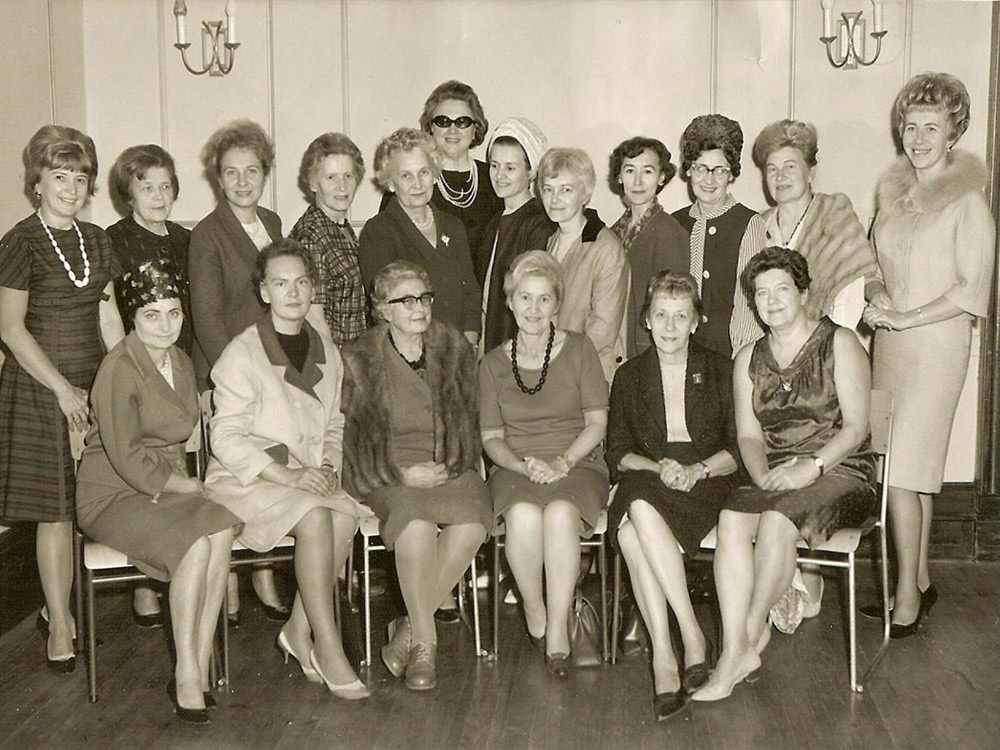
The responsibilities of the founding Branch No. 1 and the National Board were formally separated, establishing a structure better suited to a growing national Federation. Dr. Krystyna Żurowska became President of the National Board.
The role of national leadership expanded beyond administration: it provided direction to the organization, represented the Federation externally and gave women a collective voice on matters affecting women, families, education and community life.
1970s–1980s – A Growing Voice in Canada and Beyond
As the Federation matured, its work increasingly extended beyond individual communities.
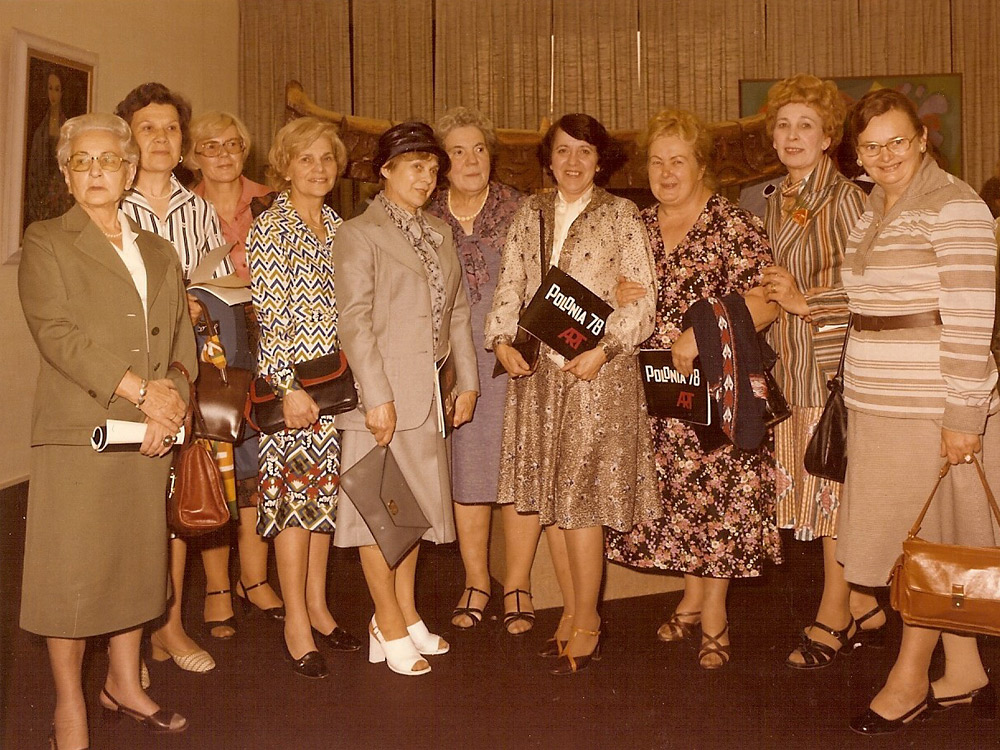
In 1978, the Federation hosted the World Congress of Polish Women in Toronto, welcoming approximately 200 participants. It was one of the most ambitious undertakings in the organization’s early history and reflected the position the Federation had established beyond Canada.
Culture and education also remained central to its work.
In 1981, the Federation supported the publication of an English-language book introducing Polish history and culture to a wider audience. Five thousand copies were published and distributed internationally, with one copy presented to Pope John Paul II in Rome.
In 1987, a Federation chronicle documenting the history and work of its branches from 1956 to 1978 was published — preserving the achievements of the women who had built the organization during its first decades.
1980s & 1990s – Responding to Changing Needs
The Federation’s history has been shaped by its ability to respond to the needs of each period.
During the 1980s and 1990s, members continued extensive assistance to Poland while also helping new waves of Polish immigrants establish themselves in Canada.
Through Operation Lifeline, launched in 1985, funds were directed to hospitals, organizations caring for homeless children, older adults, people who were ill and families experiencing hardship in Poland.
In Ottawa, assistance for newly arrived immigrants included practical support with the challenges of beginning life in a new country.
When devastating floods struck Poland in 1997, Federation leaders participated in fundraising efforts organized within the Polish Canadian community.
At the same time, new generations of Polish women — including members of the Solidarity-era immigration — were joining the organization and bringing new experiences and perspectives.
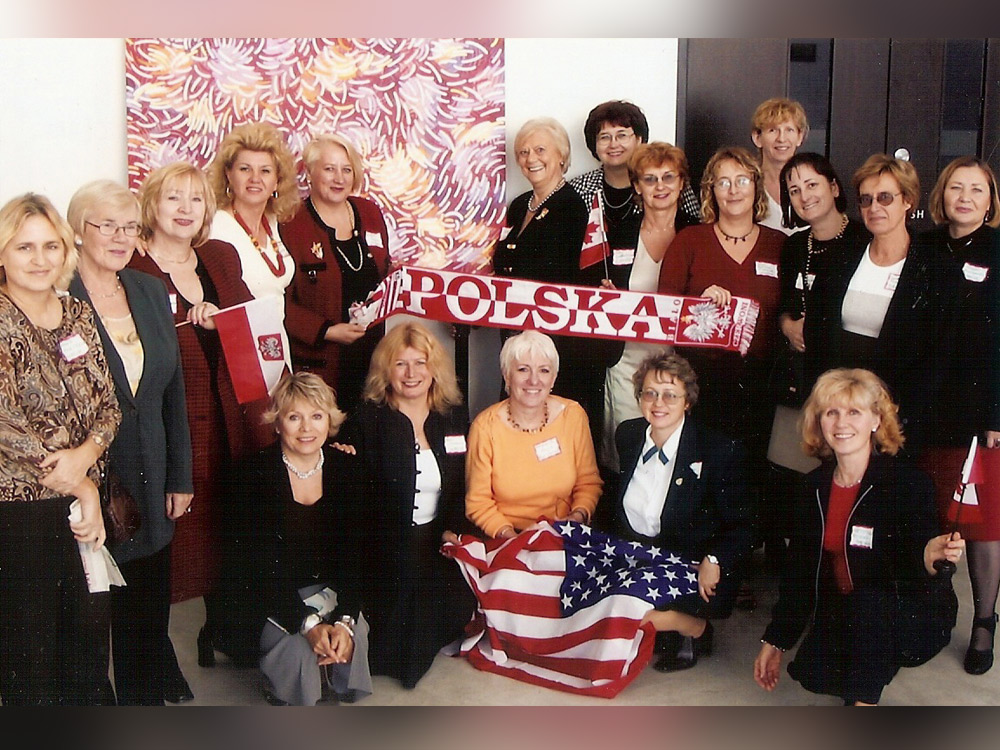
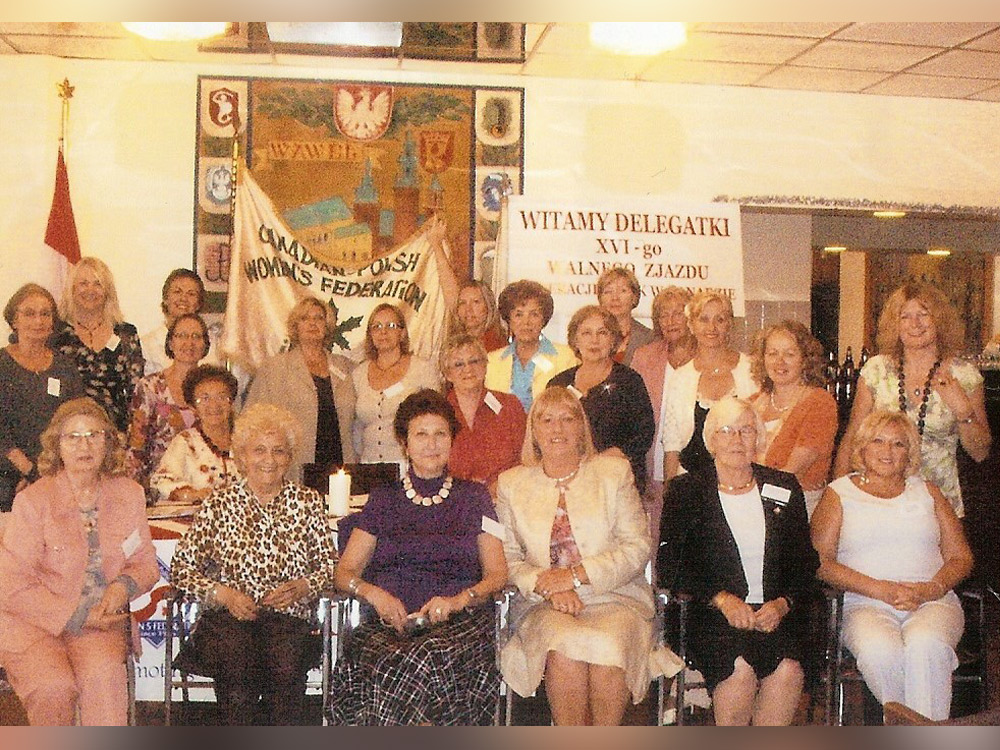
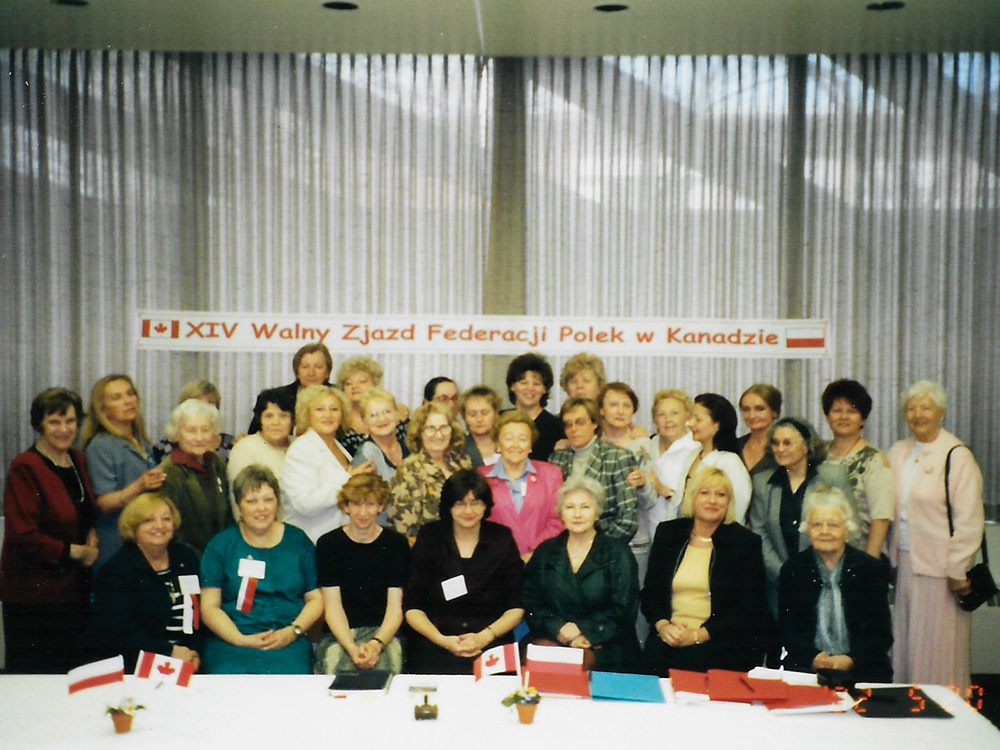
New branches continued to emerge, including Branch No. 17 in Toronto in 1995 and a branch in Hamilton in 1999.
The Federation was changing with its community while remaining anchored in the principles established in 1956.
2000–2020 – Heritage Reimagined for a New Generation
Entering a new century brought new opportunities to interpret Polish identity for audiences increasingly born and raised in Canada.
The Federation responded with ambitious cultural, educational and leadership initiatives.
Złota Rybka
In 2002, the Federation’s Youth Committee organized Złota Rybka, providing young artists with an opportunity to present their work and talents.
It reflected a principle present since Jadwiga Dobrucka founded the organization: Polish heritage can endure only when younger generations are invited to participate in creating its future.
Building Stronger Organizations
In 2004, the Federation organized a Strategic Planning Forum bringing together Canadian public figures and leaders of ethnocultural communities.
The initiative reflected another dimension of the Federation’s development — helping women and community organizations strengthen their capacity to lead effectively in contemporary Canadian society.
Recording Our Own Story
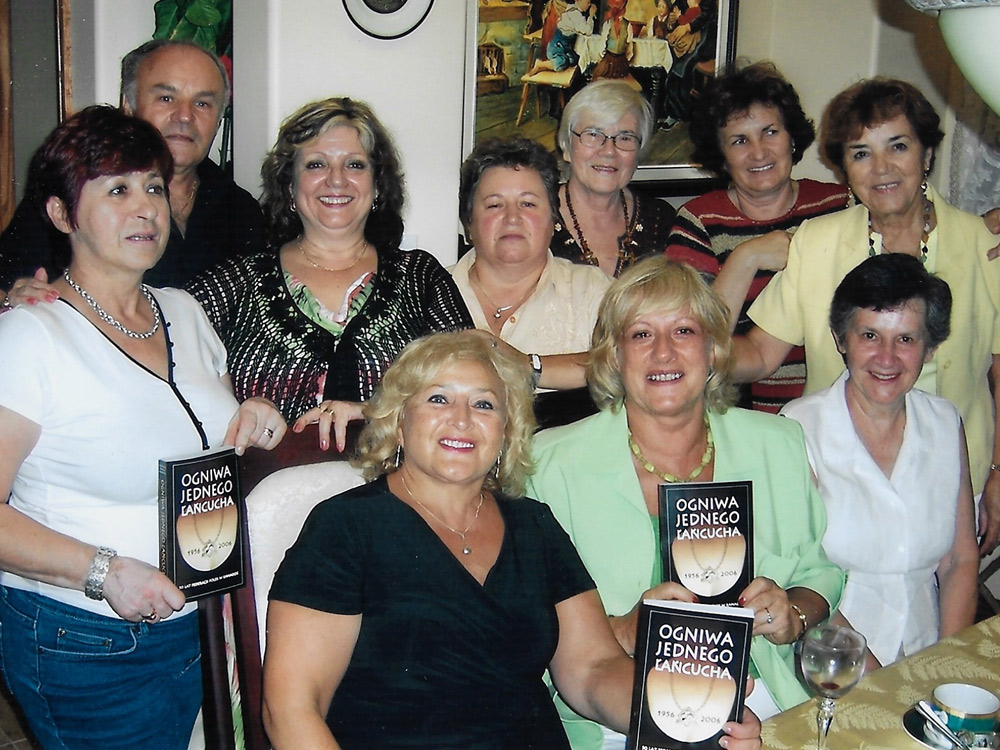
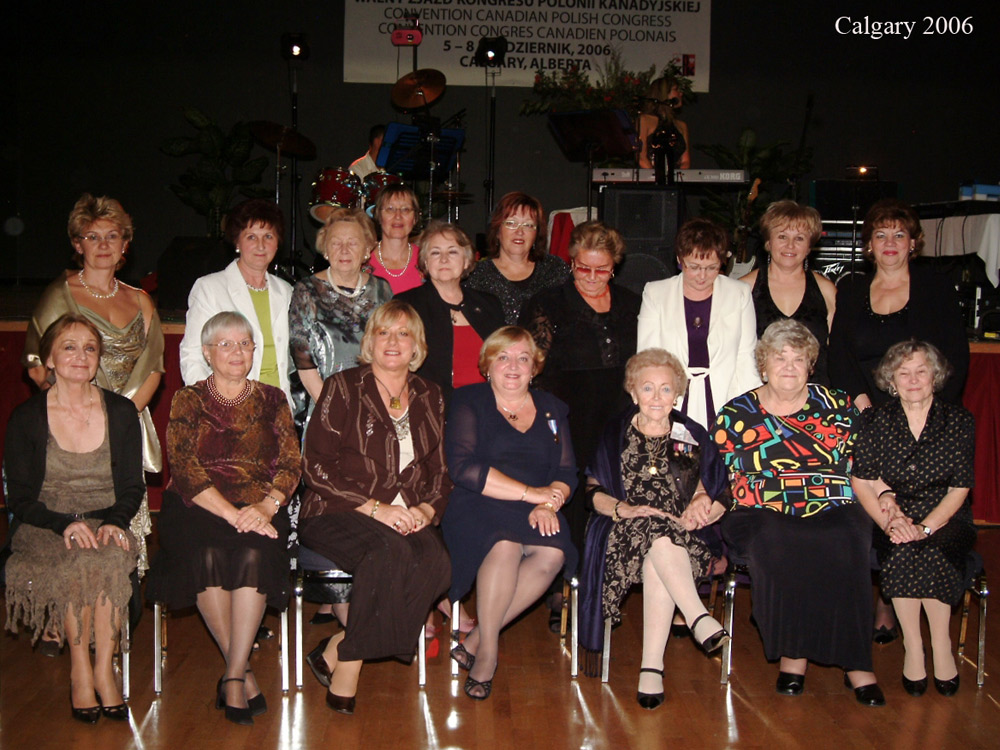
In 2006, the Federation marked its first half-century with the publication of Ogniwo jednego łańcucha, preserving the stories, people and achievements that shaped the organization.
The title captured something essential about the Federation itself: individual branches and generations are distinct, yet each forms part of one continuing chain.
Young Talents Concerts
A series of Young Talents Concerts, held in 2008, 2011, 2014, 2018 and 2019, created professional performance opportunities for emerging artists.
Young musicians performed before professional juries and gained visibility through Polish Canadian media and community networks.
The initiative continued a long Federation tradition of investing not only in preserving culture, but in the people who will carry it forward.
Polish Spirit
One of the Federation’s most significant cultural projects of this period was Polish Spirit.
Launched in 2009 with support from the Ontario Trillium Foundation, the professionally developed exhibition presented the lives and achievements of 61 Canadians of Polish heritage whose contributions reached across politics, architecture, engineering, community service, music, visual arts, theatre and other fields.
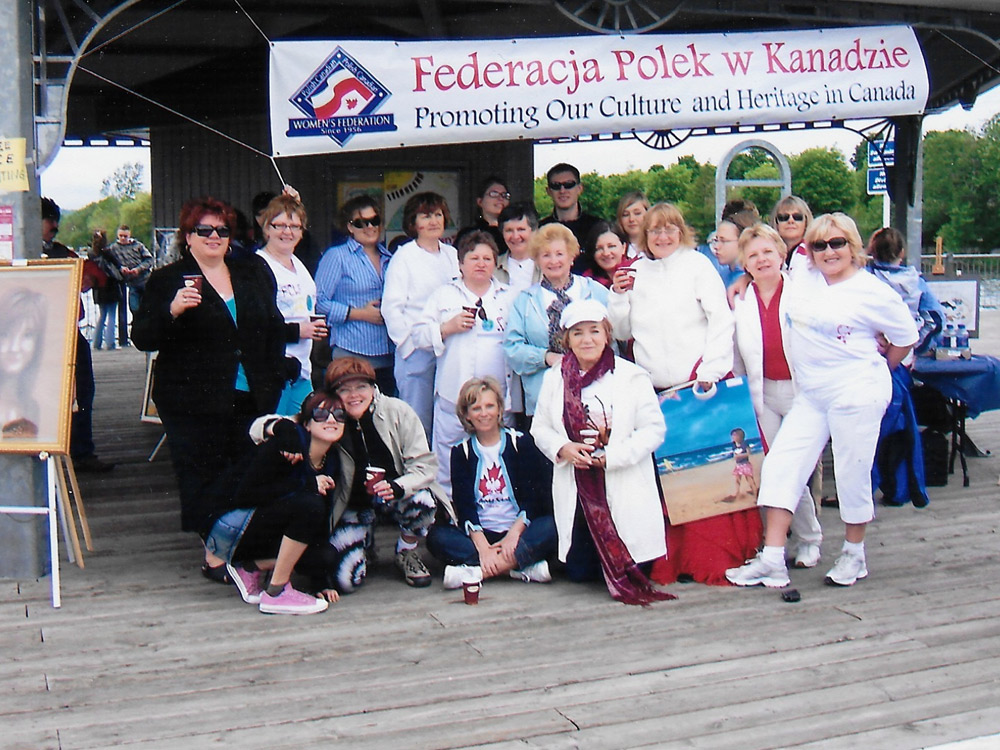
Between 2009 and 2014, the exhibition was presented at 11 venues and events, including Mississauga, Hamilton, Ottawa, Windsor, London, Kitchener, Toronto, the Royal Ontario Museum and, in Polish translation, at a gathering of the World Council of Polish Communities in Poland.
Polish Spirit carried a powerful message beyond the Polish community:
Polish heritage is part of the Canadian story.
2020–2026 – Heritage in Action
The contemporary Federation continues to honour its history while finding new ways to serve changing communities.
Across its branches, members organize cultural, educational, family, community and wellness initiatives that bring together women and multiple generations.
Polish Story Time and Polskie Place Zabaw introduce children to Polish language and culture. National Reading events connect communities through Polish literature. Concerts and projects such as Chopin in the Park bring Polish music into public spaces.
Family workshops, Easter traditions, Christmas gatherings and community celebrations ensure that customs inherited from earlier generations remain lived experiences rather than memories.
Federation members also remain present at Polish national commemorations, Constitution Day celebrations, independence observances and ceremonies at monuments and places of remembrance.
Remembering History
In 2024, the Federation presented the Monte Cassino exhibition in Detroit and Windsor and in connection with commemorations at Paderewski Park.
The project continued a tradition extending across decades: preserving Polish historical memory and making it accessible to audiences in North America.
Community Service Today
The Federation’s tradition of helping others also continues in contemporary forms.
Branches support women and families, community organizations, humanitarian initiatives and people experiencing hardship.
Programs such as Babski Comber demonstrate how community-building can be combined with service — bringing hundreds of women together while generating support for women facing difficult circumstances.
The form of service has evolved.
Its purpose has not.
Our Founder
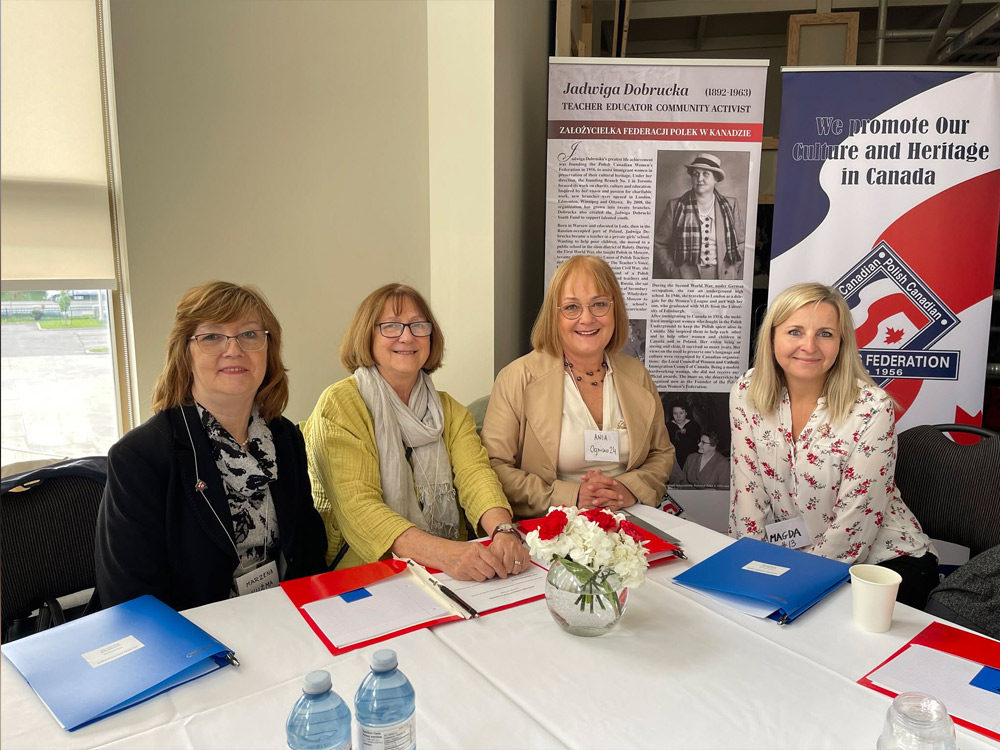
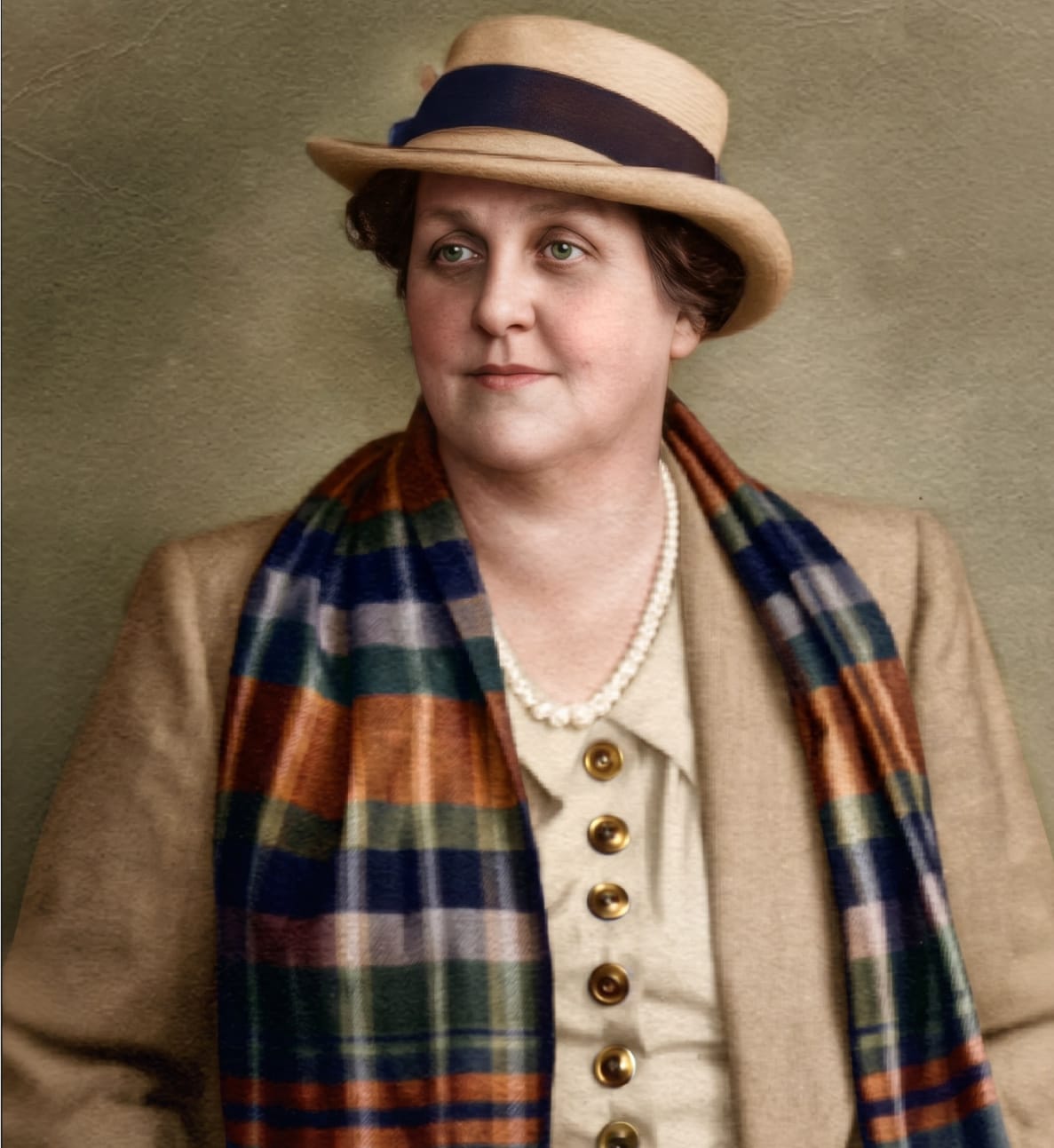
The Polish Canadian Women’s Federation was founded by Jadwiga Dobrucka in 1956 in order to organize women of Polish origin for the purpose of preserving their cultural values and makinga positive contribution to Canadian society.
The organization is charitable in character and based on democratic and Christian principles.
In the past 46 years, our organization has grown to 19 branches across Canada. Our Federation is an active member of the Canadian Polish Congress Head Executive Board, The Canadian National Council of Women, and the World Polish Women’s Federation. Our Federation publishes a semi-annual bulletin entitled “Informator”, which helps to communicate, and exchange ideas and achievements.
An important goal of the Federation is to protect the rights of women and to respond to women and family issues in order to preserve family value. We work towards upholding our Polish culture while helping new immigrants integrate in to the Canadian culture.
In order to get necessary funds to carry out our plans, we organize many activities. Some of these activies include social gatherings, national festivals, and public lectures of interest to Women. Ongoing events include conferences, concerts, poetry and art competitions and other cultural events. Belonging to the Federation does not entail only work, but also a great opportunity to meet interesting people and make new friends, exchange ideas and a great feeling of satisfaction of accomplishments.
Read More about Jadwiga Dobrucka
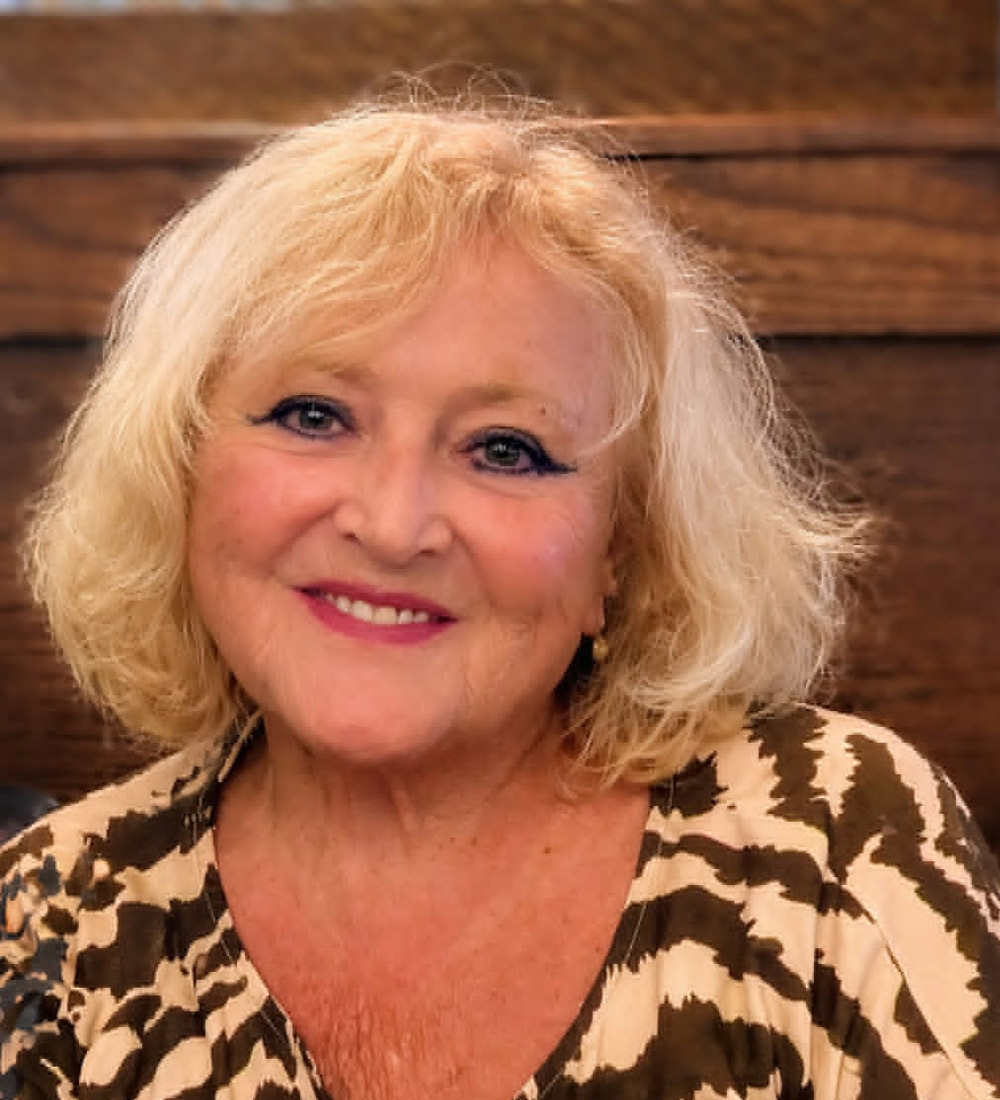
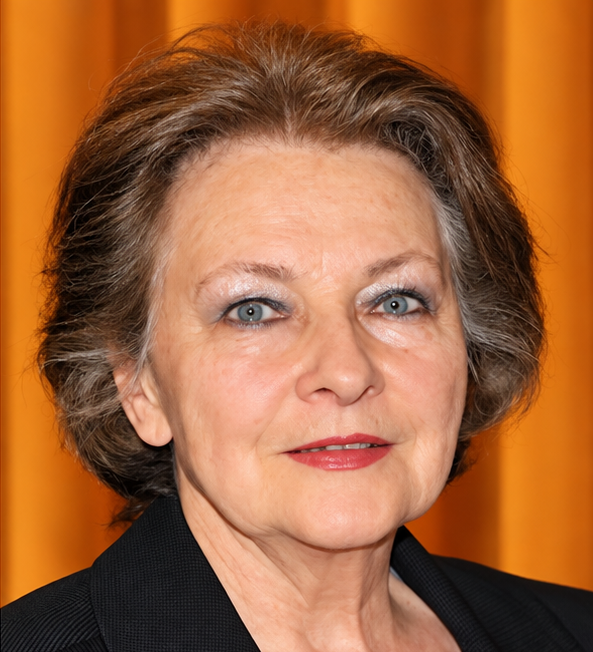
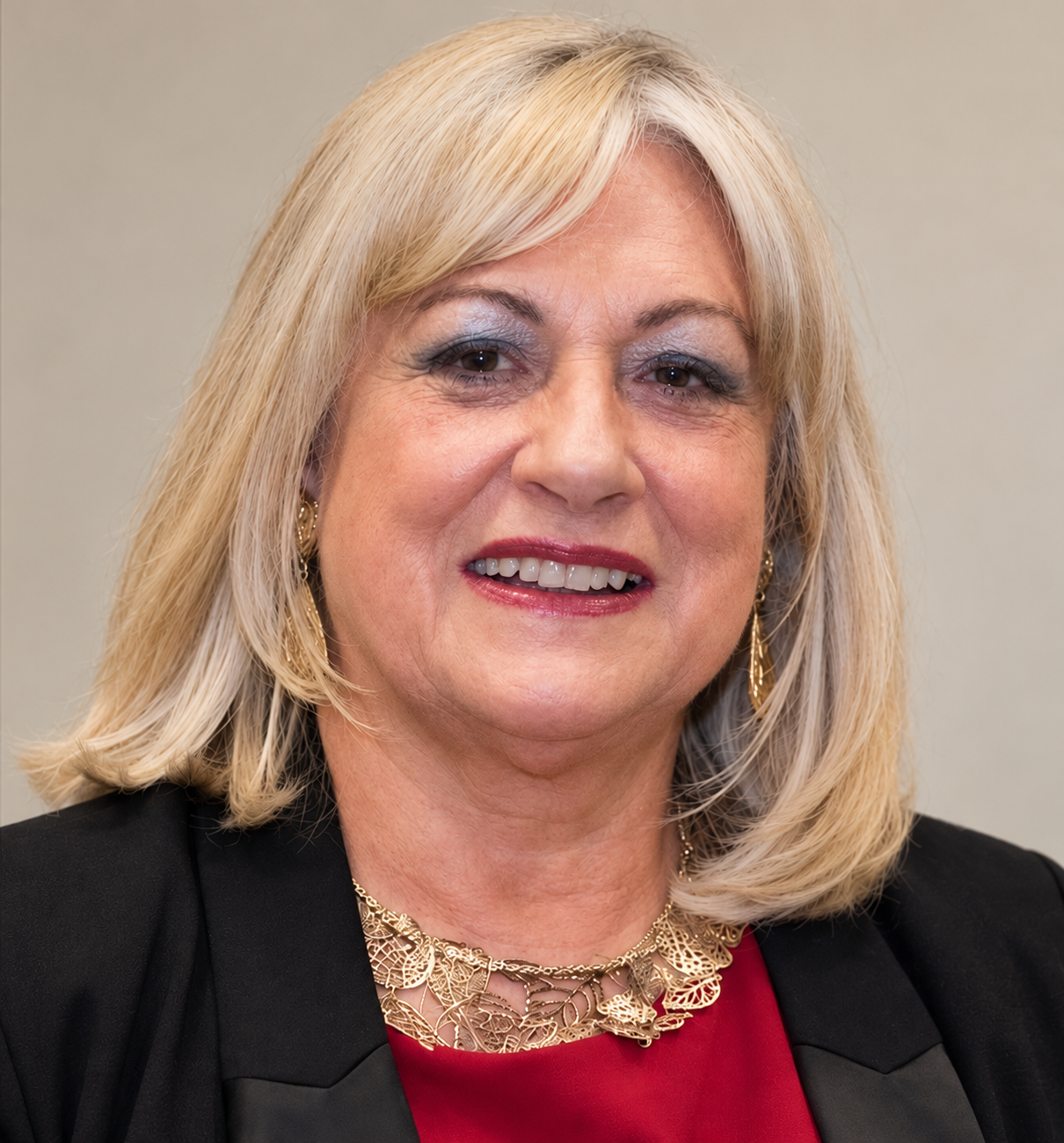
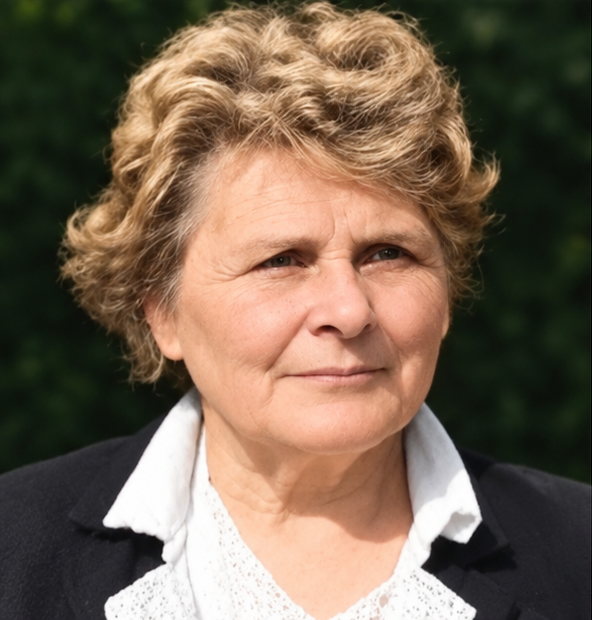
Meet Our Past Presidents
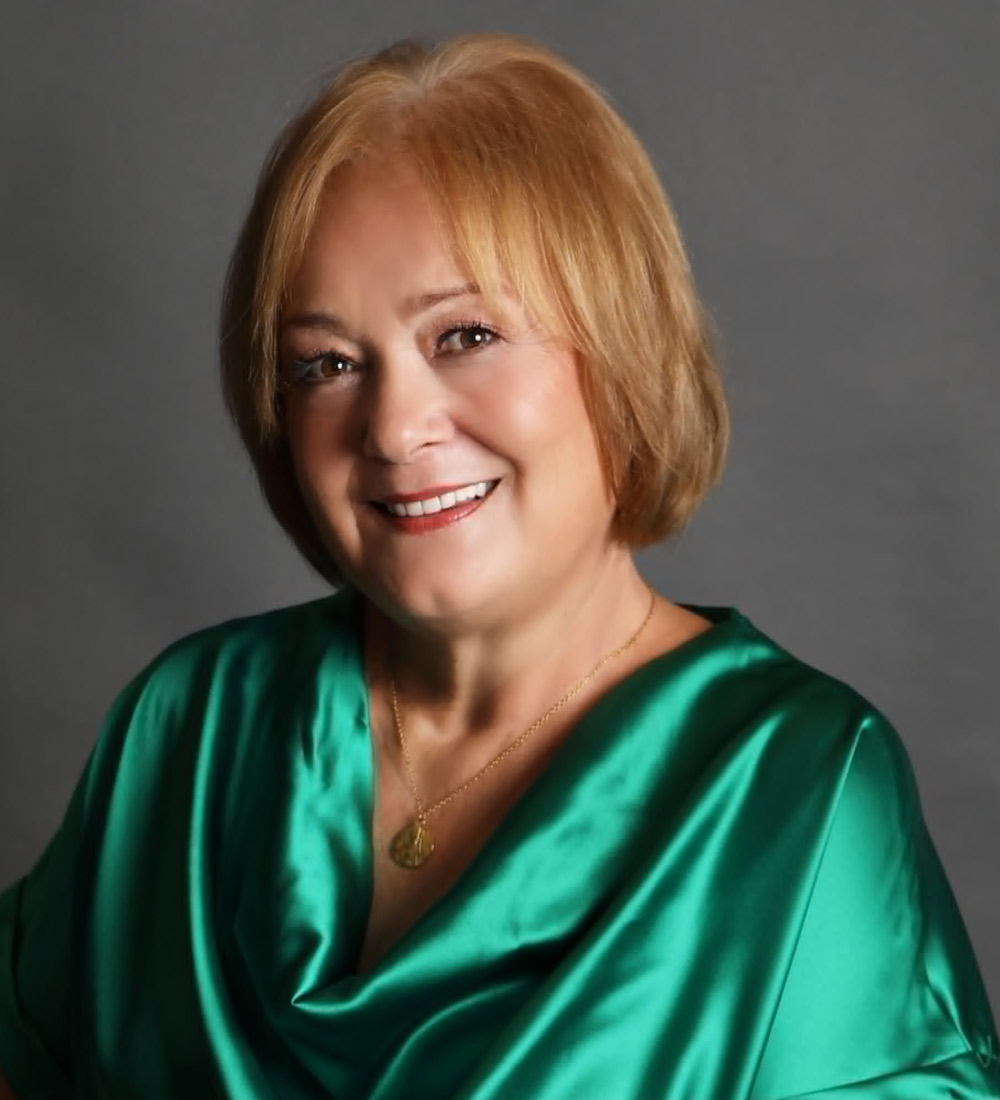
For nearly seven decades, visionary women have guided the Federation with dedication, compassion, and leadership.Their commitment helped shape our organization, strengthen our branches, and inspire generations of members across Canada. We honour their legacy and thank them for laying the foundation upon which we continue to build today.
Anna Wołochacz
Katarzyna Grandwilewska
Ewa L. Zadarnowska
Dr Iwona Bogorya-Buczkowski

Anna Szufnara
Dr Iwona Bogorya-Buczkowski

M. Irena Kremblewski
Mira Gawalewicz
Ludwika Sas-Korczyńska
Wanda Zalutyńska
Alina Kozłowiecka-Kennedy
Dr Krystyna Żurowska
Irena Berezowska